High-Touch Disinfection
Handles, latches, controls, dispensers, and other frequently touched surfaces are cleaned before a compatible disinfectant is applied for its labeled contact time.
Serving Vancouver, Washington & surrounding areas
Restaurant Restroom Service · Portland
Keep your restrooms sanitary, stocked, and ready for every guest with detailed cleaning planned around your operating hours.
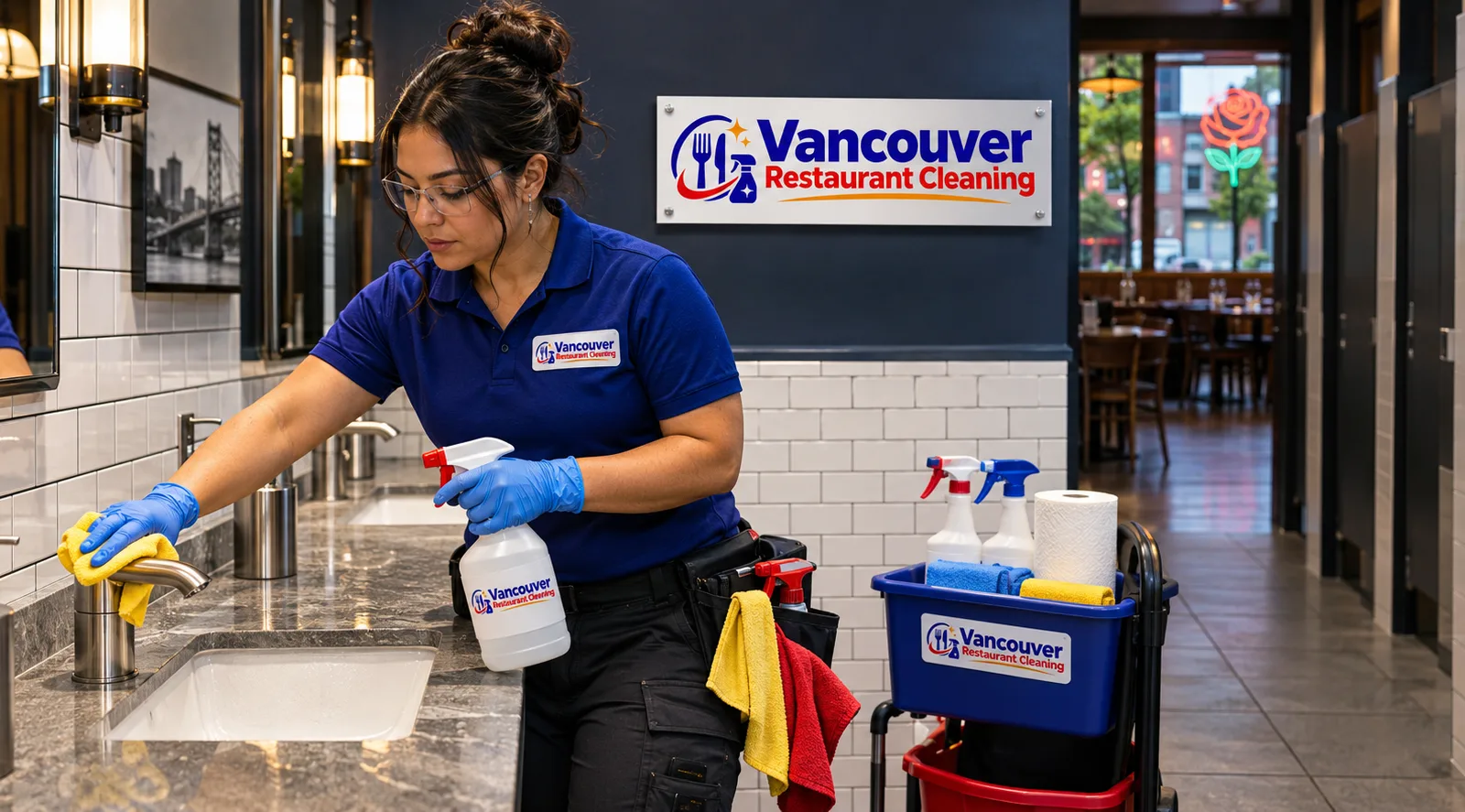
Defined for Guest-Facing Spaces
Restaurant Bathroom Cleaning Portland requires more than a quick wipe of the counters. Restrooms have frequent hand contact, changing traffic throughout the day, and fixtures that readily show soil, water spots, and fingerprints. A dependable cleaning plan addresses toilets, urinals, sinks, dispensers, partitions, mirrors, floors, and the less visible edges where buildup collects.
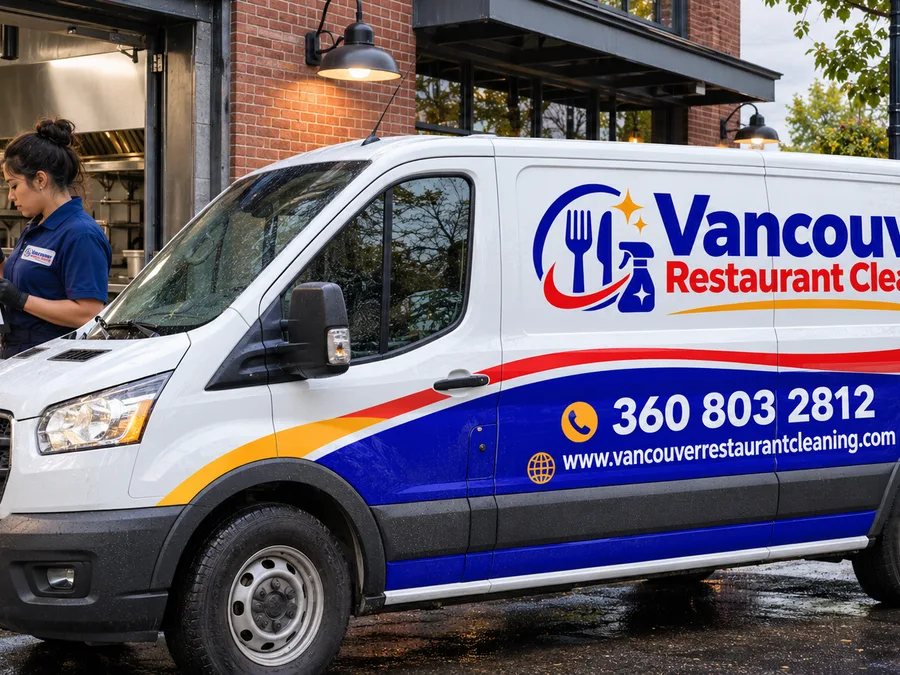
Vancouver Restaurant Cleaning operates from Vancouver, Washington, just across the Columbia River from Portland. Our team plans restroom work around opening, closing, and service schedules so cleaning does not interfere with guests or staff. Restaurants near the central city may need close coordination around limited access and delivery activity, while dining rooms in neighborhood commercial districts may need service timed around distinct lunch and dinner peaks.
The scope can be set for nightly service, scheduled deep cleaning, or another recurring frequency based on traffic and restroom condition. The goal is straightforward: a clean restroom with disinfected touchpoints, clear mirrors, dry fixtures, serviced dispensers, and floors that do not carry residue into guest areas.
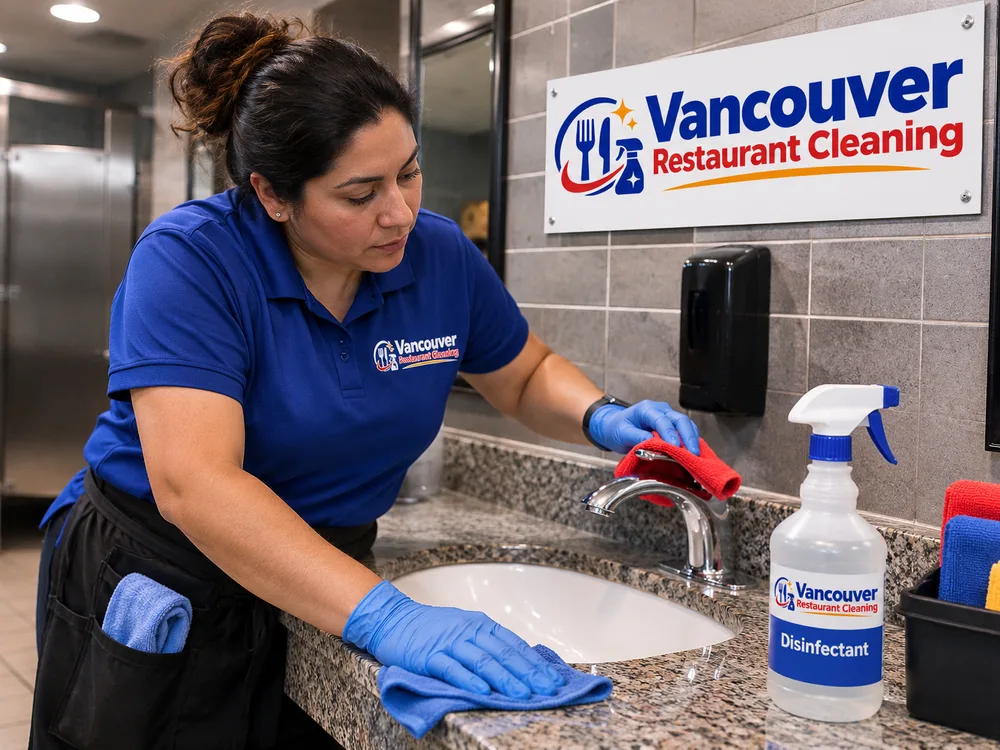
A complete visit begins with visible soil and debris removal because disinfectants work best on surfaces that have already been cleaned. The cleaner then treats compatible high-touch points such as door handles, faucet controls, flush levers, stall latches, dispenser surfaces, and accessible grab bars. Manufacturer label directions, including dilution and dwell time, guide disinfectant use.
Toilets and urinals are cleaned inside and out, including bases and nearby floor edges. Sinks, counters, splash areas, mirrors, partitions, and dispensers receive attention appropriate to their material. Floors are swept or vacuumed before damp mopping, with corners and areas behind fixtures addressed where accessible. Supplies can be checked and replenished using the restaurant's stock when that task is included in the written scope.
Restroom cleaning is one part of broader restaurant cleaning in Portland when dining areas or back-of-house spaces also need scheduled care. Those areas should have their own tasks, tools, and cleaning sequence to reduce the risk of carrying restroom soil into food-service zones.
Detailed Cleaning Coverage
Handles, latches, controls, dispensers, and other frequently touched surfaces are cleaned before a compatible disinfectant is applied for its labeled contact time.
Toilets, urinals, partitions, bases, and accessible edges are treated for visible soil, splashes, dust, and routine buildup.
Basins, counters, faucets, splash zones, and mirrors are cleaned without leaving the obvious streaks and residue guests notice.
Loose debris is removed before mopping. Corners, wall edges, areas around bases, and accessible space behind fixtures are included according to the scope.
Soap, tissue, towels, liners, and sanitary disposal supplies can be checked and restocked from the restaurant's inventory when requested.
The work targets common odor sources such as waste containers, fixture bases, drains, floor residue, and missed splash areas rather than relying on fragrance alone.
From Walkthrough to Final Check
We review fixture counts, floor materials, dispenser types, access, current condition, peak traffic, and any recurring trouble spots. This establishes what needs routine attention and what may require initial detail work.
The written plan defines tasks, frequency, supply responsibilities, access arrangements, and preferred service windows. Scheduling may be placed before opening, after closing, or between service periods when the restaurant layout and traffic allow it.
Trash and loose debris are removed first. Visible soil is cleaned from surfaces before disinfectant is applied, since dirt and organic matter can interfere with the product's intended use.
Mirrors, dispensers, counters, and sinks are handled before toilet and urinal areas. Dedicated restroom tools and cloths help prevent cross-contact with dining or food preparation spaces.
The cleaner checks touchpoints, fixtures, mirrors, floors, liners, odors, and included supplies. Recurring issues such as leaks, damaged dispensers, or empty restaurant stock can be reported for staff follow-up.
Restaurant restroom demand changes with the type of operation. A full-service dining room may need cleaning after the final seating, while a cafe with continuous daytime traffic may benefit from an early service window plus staff checks during operating hours. Bars and late-night restaurants often need the heaviest work completed after closing, when floors and fixtures can be cleaned without guests entering the area.
Location also affects coordination. Restaurants in Downtown Portland may have shared building access, controlled loading areas, or narrow service windows. The Pearl District includes restaurants in mixed-use buildings where noise and after-hours entry rules can matter. In the Alberta Arts District and along Division Street, strong evening and weekend traffic may concentrate restroom use into short periods. The cleaning plan should follow the restaurant's actual covers, hours, and restroom layout rather than a generic checklist.
Portland's long wet season also affects restroom floors. Guests track in water and grit, increasing the need for entry mat care, soil removal, and careful damp mopping. Wet-floor signs and controlled access should be used while floors are being serviced. A restroom can look clean at opening yet need staff spot checks later, so recurring professional service and in-shift checks should be treated as complementary tasks.
Standards and Safeguards
Commercial restroom cleaning depends on correct product use. Disinfectants should be registered with the U.S. Environmental Protection Agency and used only on surfaces listed on the label. The surface must remain visibly wet for the labeled dwell time. Mixing chemicals is unsafe, and products containing bleach must never be combined with ammonia or acids.
Color-coded cloths and restroom-dedicated mop equipment help separate toilet-area tools from those used in guest dining spaces. Gloves should be changed when contaminated and removed before handling clean supplies or moving into another work area. Chemical bottles need clear labels, and Safety Data Sheets should be available for the products used at the restaurant.
Material compatibility matters as well. An acidic bowl cleaner may be appropriate inside certain fixtures but unsuitable for natural stone, grout, metal trim, or nearby flooring. Abrasive pads can scratch polished surfaces. The cleaning method should match porcelain, stainless steel, laminate, tile, sealed flooring, and other installed finishes.
Restaurants operate under Oregon Health Authority food sanitation rules and local public-health oversight. Restroom cleaning supports sanitation, but it does not replace required employee practices, handwashing controls, plumbing repairs, or pest management. Active sewage backups, overflowing fixtures, suspected bloodborne-pathogen incidents, and major mold growth require escalation and may call for specialized remediation rather than routine janitorial work.
Operational Fit
The plan accounts for guest traffic, service hours, fixture counts, consumables, access, and the separation of restroom tools from food-service cleaning equipment.
A repeatable checklist defines what is cleaned at each visit, which details rotate periodically, and how issues are communicated.
Service can be planned around the periods when restrooms are least likely to be occupied, reducing disruption and allowing proper product dwell time.
The scope can state who provides tissue, soap, liners, towels, and sanitary disposal supplies so stocking responsibilities are understood before service begins.
A restroom walkthrough can identify fixture counts, recurring trouble spots, access needs, and the cleaning frequency that fits your operating schedule.
Call for a Free QuoteAnswers Before Service
Tell Vancouver Restaurant Cleaning about your restroom layout, hours, current condition, and preferred service window. We will help define a practical scope that keeps guest areas ready without interrupting restaurant operations.